

When you purchase through links on our site, we may earn an affiliate commission. Here’s how it works.
The Philips Hue vs. LIFX vs. Nanoleaf comparison highlights how smart lighting has evolved beyond simple on-off functionality. Today’s LED bulbs can change colors, respond to voice commands, and follow schedules. Choosing the right brand is crucial for tailoring your smart home experience.
We tested three top smart lighting brands in real-world settings. Hue came out on top with 31 points. Tuya scored 26 points, and other big names got 18 points. This review looks at how they compare in tech specs, user experience, and price.
Knowing the differences between these brands helps you choose wisely. Each has its own strengths for different needs and budgets.
Table of Contents
- 1 Philips Hue vs. LIFX vs. Nanoleaf: Smart Lighting Fundamentals
- 2 Philips Hue vs. LIFX vs. Nanoleaf: Smart Lighting Market Overview
- 3 Philips Hue: The Established Smart Lighting Pioneer
- 4 Nanoleaf: The Artistic Modular Lighting Choice
- 5 Philips Hue vs. LIFX vs. Nanoleaf: A Detailed Look
- 6 Philips Hue vs. LIFX vs. Nanoleaf: Smart Home Compatibility
- 7 Philips Hue vs. LIFX vs. Nanoleaf: Pricing and Value Comparison
- 8 Philips Hue vs. LIFX vs. Nanoleaf: Setup and Installation Experience
- 9 Philips Hue vs. LIFX vs. Nanoleaf: Recommendations for User Profiles
- 10 Philips Hue vs. LIFX vs. Nanoleaf: Beginner Setup Guide
- 11 Philips Hue vs. LIFX vs. Nanoleaf: Automation and Scene Features
- 12 Philips Hue vs. LIFX vs. Nanoleaf: Future-Proofing Your Investment
- 13 Philips Hue vs. LIFX vs. Nanoleaf: Performance and User Experience
- 14 Philips Hue vs. LIFX vs. Nanoleaf: Final Smart Lighting Insights
- 15 Frequently Asked Questions (FAQ)
Key Takeaways
- Smart lighting systems now offer millions of colors and advanced automation features beyond basic on-off functionality
- Hub-based ecosystems provide more reliable connectivity but require additional hardware investments
- Direct wireless connection eliminates hubs but may have limited range and compatibility issues
- Modular artistic panels create unique decorative lighting but cost significantly more per square foot
- Voice control integration varies widely between brands, affecting daily usability and convenience
- Initial setup complexity and long-term expandability differ greatly across lighting ecosystems
Philips Hue vs. LIFX vs. Nanoleaf: Smart Lighting Fundamentals
Smart lighting turns homes into smart spaces with wireless tech and automation. It’s more than just bulbs. It uses wireless communication protocols for control and automation.
Smart home lighting systems use different communication standards. Wi-Fi, Zigbee, and Thread each have their own benefits. Knowing these helps pick the best tech for your home.
Hub-based systems like Philips Hue create mesh networks for better reliability and range. They need a central hub connected to your router.
Hub-free solutions like LIFX connect directly to Wi-Fi. This makes setup easy but may strain your network.
Choosing between hub-based and direct Wi-Fi systems matters. Hub-based systems offer better range and stability. Direct Wi-Fi is simpler but might struggle in big homes with weak signals.
| Technology Type | Setup Complexity | Network Reliability | Range Extension | Device Limit |
|---|---|---|---|---|
| Hub-Based (Zigbee) | Moderate | High | Excellent | 50+ devices |
| Direct Wi-Fi | Simple | Variable | Limited | 20-30 devices |
| Thread/Matter | Moderate | Very High | Excellent | 100+ devices |
| Bluetooth Mesh | Simple | Good | Good | 30-40 devices |
Color-changing bulbs are a key feature of the best smart bulbs. They can show millions of colors and adjust brightness. Some even mimic natural daylight.
Smart lighting does more than just turn lights on and off. It works with motion sensors, schedules, and weather. This makes your home more energy-efficient, secure, and comfortable.
Knowing your home’s setup is key for smart lighting. Think about Wi-Fi, wiring, and future plans. The right choice depends on your skills, budget, and smart home dreams.
Philips Hue vs. LIFX vs. Nanoleaf: Smart Lighting Market Overview
Smart lighting technology has grown into a wide range of options. Top brands compete in different areas. They have become leaders by focusing on specific features and innovations.
Philips Hue is a leader in smart lighting. It’s known for its reliable products and wide range of integrations. Their quality and compatibility make them stand out.
LIFX focuses on superior brightness output and direct Wi-Fi. This means no extra hubs are needed. It offers bright light that users love.
Nanoleaf is all about creative lighting. They make artistic panels for interior designers and creative people. Their designs are unique and focus on looks over just lighting.
There are also cheaper options like Tuya-based systems. These led light strip alternatives are more affordable but may not have all the features. They also might not be as well-made.
Who buys what depends on their needs. Beginners like Philips Hue for its reliability and help. Tech fans prefer LIFX for its brightness and ease of use. Designers go for Nanoleaf for its artistic designs.
| Brand | Market Position | Target Audience | Key Strength | User Rating |
|---|---|---|---|---|
| Philips Hue | Market Leader | General Consumers | Ecosystem Integration | 4.3/5 |
| LIFX | Performance Specialist | Tech Enthusiasts | Brightness Output | 4.1/5 |
| Nanoleaf | Creative Niche | Designers | Artistic Design | 4.0/5 |
| Budget Alternatives | Value Segment | Price-Conscious Users | Affordability | 3.5/5 |
Knowing what each brand offers helps make better choices. Whether you want reliability, creativity, or to save money, there’s a brand for you.
Brands succeed by meeting specific needs, not trying to be everything. This approach has made the market diverse. Now, there’s a solution for every need.
Philips Hue: The Established Smart Lighting Pioneer
Philips Hue changed the smart lighting world when it started in 2012. It turned regular bulbs into smart devices that work with voice commands, apps, and schedules. Today, Philips Hue leads with new ideas and a growing smart lighting ecosystem.
The company’s success comes from its complete connected lighting system. Unlike simple wi-fi smart lights, Philips Hue’s system has all parts working together smoothly. This has made the brand a top choice in many areas.

Product Ecosystem and Range
Philips Hue has the widest range of products in smart lighting. It includes standard bulbs, special fixtures, outdoor lights, and fun products. Each type meets different needs but works well together.
The standard bulbs come in white and color options. There are also special fixtures like light strips and table lamps. Outdoor lighting options are weatherproof for patios and gardens.
Entertainment products like Hue Play bars and light strips enhance movies and games. They make experiences more immersive by reacting to what’s on screen. The whole range works through the Hue app, making control easy.
Advantages and Limitations
Philips Hue shines in areas that matter to users. It got perfect scores for app experience, reliability, and how it handles power cuts. Users say bulbs work fast and stay connected well, even in big homes.
The system’s hub-based design creates a strong Zigbee mesh network. This network gets stronger as more devices are added. It also lets users choose how lights behave during power outages.
But, starting with Philips Hue can be pricey. The hub adds cost and complexity. The whole range is also more expensive, making big setups costly.
Technical Specifications
Philips Hue uses Zigbee 3.0, supporting up to 50 devices per hub. It has 16 million colors, dimming from 1% to 100%, and responds quickly. The build quality is top-notch, showing Philips Hue’s focus on durability and performance.
The system works with Apple HomeKit, Google Assistant, and Amazon Alexa. It also connects with over 1,000 apps and services. This makes Philips Hue great for complex smart home setups.
Check Philips Hue bulbs on Amazon
LIFX: The Hub-Free Brightness Champion
LIFX stands out by not needing extra hardware and shining brighter than others. This Australian company is a leader in smart lighting brightness. Their bulbs connect straight to your Wi-Fi, making them great HomeKit compatible lights for those who want to skip buying hubs.
LIFX bulbs are known for their high brightness. They give off more lumens per watt than many others. This makes them perfect for anyone who wants bright and vibrant lighting.
Product Portfolio and Capabilities
LIFX has a wide range of smart lighting for different needs. Their A19 bulbs can get up to 1100 lumens bright and change colors 16 million ways. They also make special bulbs like candle shapes, downlights, and strips.
Their bulbs come in white-only and color-changing types. They work well with Apple’s HomeKit and other systems too. Plus, they have infrared for better security camera work, a big plus.
For those looking at architectural lighting, LIFX has the Beam and Tile. These let you create unique lighting setups that change a room’s feel.
Strengths and Weaknesses
LIFX shines in brightness and color accuracy. Their bulbs are very color-rich and accurate. People also love how well-made they are, lasting through lots of use.
But, LIFX has big downsides. They can be unreliable, often not working on home networks. The app gets bad reviews for connection and design issues.
“Setup is really hard, needing a lot of tech know-how that many don’t have.”
These HomeKit compatible lights need tech skills. Users find they work differently for everyone and on various platforms.
Performance and Features
LIFX bulbs are super bright and color-accurate, getting top marks. They connect directly to Wi-Fi, avoiding delays from hubs. They also have cool features like syncing with music and automating based on where you are.
But, their software has big problems. Many have trouble connecting, making it hard to set up. This can be really frustrating for most people.
Even with these issues, LIFX is great for those who want the brightest lights. Their light quality is unmatched, making them a good choice for tech-savvy homes.
When you purchase through links on our site, we may earn an affiliate commission. Here’s how it works.
Nanoleaf: The Artistic Modular Lighting Choice
Nanoleaf changes the game with its geometric panels that light up and act as art. This Canadian company turns walls into interactive canvases. It’s perfect for those who want to express their creativity with lighting.
Users love Nanoleaf, giving it a 4 out of 5 for app experience and a 5 out of 5 for reliability. It supports the Thread protocol, making it future-proof. This makes Nanoleaf a smart choice for your home.
Product Lines and Design Innovation
Nanoleaf goes beyond regular bulbs with its panel systems. The Shapes series has triangles and hexagons that fit together easily. You can make your own designs with these panels.
The Canvas collection has square panels that react to music and touch. They also make bulbs and strips for those who like traditional lighting.
Nanoleaf’s panels use edge-lit tech for even light. They connect with magnets, making setup easy. This design makes them stand out.
Benefits and Drawbacks
Nanoleaf is great for adding art to your space. You can change your setup as you like. It’s perfect for those who love to decorate.
“Nanoleaf turns any room into a personalized art gallery where lighting becomes the centerpiece of interior design.”
But, it might not meet all your lighting needs. The premium pricing might also be a drawback for some.
Setting up Nanoleaf needs careful planning. It also requires enough wall space. Some might find the look too bold for their taste.
Technical Features and Customization
Nanoleaf uses the Thread protocol for better connectivity. This means it works well with smart home systems and uses less power. It’s a step ahead in technology.
The Nanoleaf app lets you customize your lighting. You can make custom scenes, animations, and reactive effects. It even mirrors your screen for gaming.
It can even change colors with music. The panels can also change when touched. This adds a fun interactive element.
Despite being artistic, Nanoleaf is energy-efficient. Its LEDs last long and use little power. You only power what you need, making it cost-effective.
Check Nanoleaf bulbs on Amazon
Philips Hue vs. LIFX vs. Nanoleaf: A Detailed Look
When comparing smart lighting, it’s key to look at the facts. Each brand has its own strengths that affect how well it works and its value over time. Knowing these differences helps you choose the right lighting for your home.
Looking at brightness, energy use, and network reliability shows big differences. These factors affect how well a smart lighting system meets your needs, whether for daily use, fun, or creativity.
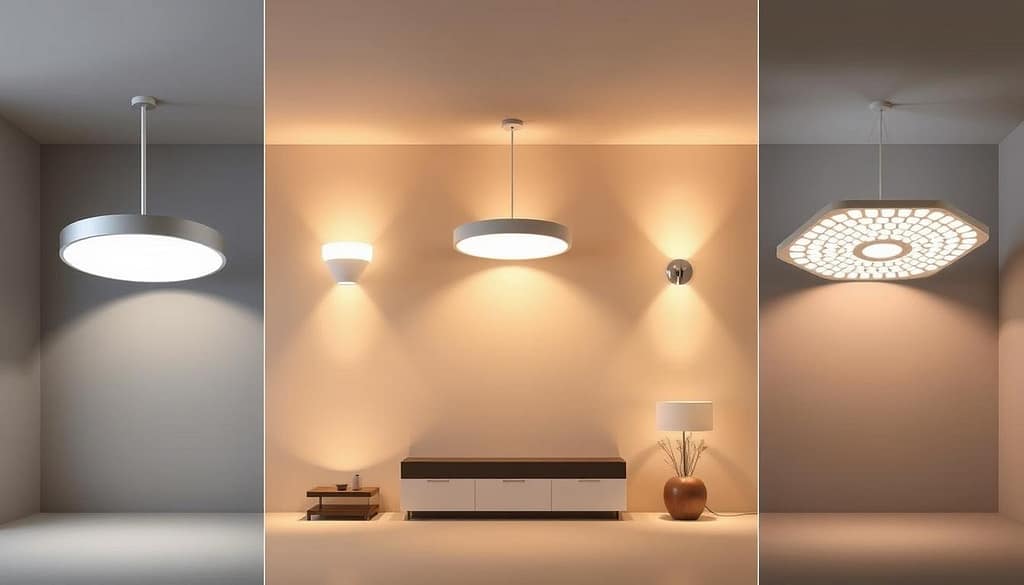
Brightness Output and Color Accuracy Comparison
LIFX leads in brightness, with lights that are much brighter than others. It offers superior color saturation and vibrancy, perfect for highlighting and fun setups. Its peak brightness is great for bright rooms and outdoor use.
Philips Hue is close behind, with great color and consistent brightness. It’s not as bright as LIFX, but Hue’s colors stay true and stable over time. It’s great for smooth color changes and steady light.
Nanoleaf focuses on looks over brightness. Its panels are good for mood lighting but not as bright as bulbs. They’re great for creative displays, even if they’re not as intense.
“The difference in brightness output becomes most apparent when using smart lights for task lighting or entertainment purposes, where higher lumens directly translate to better functionality.”
Power Consumption and Energy Efficiency
Power use varies a lot between systems. Philips Hue is superior in energy management thanks to its hub. This hub controls power for all devices, saving energy.
LIFX bulbs use more power because they connect directly to Wi-Fi. They’re brighter, but each bulb needs its own connection. This means more energy use than hub-based systems. But, LIFX doesn’t need a hub, which some like.
Nanoleaf panels use moderate energy, good for mood lighting. They’re not as energy-hungry as some, but using many panels can add up. You can control energy use by choosing how many panels to use.
| Brand | Average Power Draw | Energy Efficiency Rating | Hub Power Requirement |
|---|---|---|---|
| Philips Hue | 9-10 watts | Excellent | 2 watts |
| LIFX | 11-13 watts | Good | None required |
| Nanoleaf | 2-3 watts per panel | Very Good | Varies by controller |
Connectivity Requirements and Network Performance
Network performance shows big differences. Philips Hue’s Zigbee mesh network offers exceptional range and stability. It works well in big homes without losing signal.
LIFX bulbs connect directly to Wi-Fi, which can be a problem with lots of devices. They might not work well in big networks. But, they don’t need a hub, making setup easier.
Nanoleaf uses Wi-Fi, but performance depends on how many panels you have and your network. It works well for small setups but might need extenders for big displays.
How reliable your connection is affects how well your lights work. Hub systems usually do better with complex scenes and schedules. But, Wi-Fi systems are easier to set up and might not have as many problems.
Philips Hue vs. LIFX vs. Nanoleaf: Smart Home Compatibility
Today’s smart lighting systems need to work well with voice assistants and automation platforms. The best smart bulbs connect easily with many systems, giving users full control. This makes controlling lights simple, from voice commands to complex setups.
Each brand has its own way of working with platforms. Some focus on direct connections for the best results. Others use bridges that might cause delays or problems. Knowing these differences helps users choose the right bulbs for their homes.
Apple HomeKit and Siri Integration
Philips Hue is top in Apple HomeKit, with native integration for all its bulbs. Users can use Siri to control lights and set scenes in the Home app. This makes it easy to add lights to HomeKit automations.
LIFX also supports HomeKit well, but sometimes has issues with iOS updates. It works great for basic tasks like dimming and changing colors. But, for more advanced features, you might need the LIFX app.
Nanoleaf’s HomeKit support is good, but some newer bulbs need updates for the best performance. Its geometric panels look great in HomeKit scenes, creating stunning visual effects with Siri or automation.
Google Assistant and Amazon Alexa Support
All three brands work with Google Assistant and Amazon Alexa, but Philips Hue is the most reliable. It responds quickly and understands commands well on both platforms.
LIFX is great for brightness control with voice commands, thanks to its high lumen output. You can ask for specific brightness levels or dramatic changes. But, complex color requests might need a few tries.
Nanoleaf’s voice control is impressive, with preset scenes and effects. Saying “Hey Google, turn on Northern Lights” can start amazing animations. It also responds well to mood-based requests, choosing the right colors and brightness.
Third-Party Applications and Ecosystem Compatibility
For pros and advanced users, specialized integrations are key. Philips Hue has the most third-party support, including Control4, Crestron, and Lutron. Its API is great for custom apps and big installations.
LIFX has some third-party support, but might need IFTTT bridges for more integrations. This works for simple automations but can cause delays. LIFX focuses more on features for regular users than on professional tools.
Nanoleaf is great for creative integrations, like gaming and music. Its Screen Mirror feature syncs with computer displays, and Rhythm modules respond to sound. These features make Nanoleaf perfect for entertainment areas, though some advanced features need extra hardware or software.
Newer Nanoleaf products support Thread protocol, promising better future compatibility and less Wi-Fi reliance. This new standard is important for the next generation of smart homes.
Philips Hue vs. LIFX vs. Nanoleaf: Pricing and Value Comparison
Smart lighting costs go beyond the initial price. They include the cost of adding more lights and ongoing expenses. Knowing the full cost helps people choose based on their budget and future plans.
Philips Hue charges more because it’s a top choice. Starter kits cost between $200 and $400. Each bulb replacement is $50 to $100. This is for those who want reliable, all-in-one systems.
LIFX also charges a lot but doesn’t offer as much value. It’s often as expensive as Hue but less reliable. This makes it hard for those watching their budget.
Nanoleaf is a good deal for smart lighting. Starter kits are $200 to $300. It offers creative lighting at a lower price.
| Brand | Starter Kit Price | Individual Bulb Cost | Value Rating | Market Position |
|---|---|---|---|---|
| Philips Hue | $200-$400 | $50-$100 | 3/5 | Premium Justified |
| LIFX | $180-$350 | $45-$90 | 1/5 | Expensive Unjustified |
| Nanoleaf | $200-$300 | $30-$60 | 4/5 | Value Challenger |
The real cost of smart lighting is more than just the first purchase. It’s about how reliable, expandable, and supported it stays over time.
Thinking about long-term value is key. Energy efficiency ratings affect your bills over time. Also, how easy it is to replace bulbs and what warranties are offered matter.
Hub costs are another factor. Philips Hue needs a hub, while LIFX connects to Wi-Fi. Nanoleaf panels have built-in connectivity, saving on extra hardware.
For those on a budget, think about how much adding more lights will cost. Philips Hue offers the most options but at a higher price. Nanoleaf is great for decorative needs, but LIFX is hard to justify.
Also, consider the cost of integrating with other smart home systems. Some brands need extra accessories or subscriptions for extra features. This can greatly affect the overall value.
Philips Hue vs. LIFX vs. Nanoleaf: Setup and Installation Experience
Setting up wi-fi smart lights should be easy, not rocket science. But, the truth is, it can be very different from one brand to another. This difference can make or break your experience with smart lighting.
Philips Hue is often seen as the top choice for setting up smart lights. It’s brilliant and intuitive from the start. Most people can get their lights working in 15-30 minutes using the mobile app.
The Hue bridge connects to your router with an ethernet cable. The app then walks you through finding bulbs and setting up rooms. Even if you’re new to this, it’s easy to follow along.

LIFX, on the other hand, has a very different experience. Many users find it “clunky and time-consuming”. The idea of not needing a hub sounds good, but it makes things harder to set up.
LIFX bulbs need a lot of network setup and troubleshooting. People often spend hours trying to get them to work. It’s not for the faint of heart and can be a big hassle.
Nanoleaf is known for being easy to set up. You need to plan your layout, but they offer helpful augmented reality tools to help. The app makes setting everything up a breeze.
How easy it is to set up your lights can affect how happy you are with them. If it’s hard at first, you might get frustrated and have trouble later on.
| Brand | Setup Time | Difficulty Level | User Rating | Technical Knowledge Required |
|---|---|---|---|---|
| Philips Hue | 15-30 minutes | Easy | Excellent | Minimal |
| LIFX | 2+ hours | Complex | Poor | High |
| Nanoleaf | 30-45 minutes | Moderate | Very Good | Low-Medium |
If you’re new to smart lighting, choose brands that make it easy to set up. Look for good support and active communities. These will help you get started right and keep you happy.
The best smart lighting system is the one you can actually set up and use without frustration.
Think about how comfortable you are with technology when picking your smart lights. A smooth setup is key to enjoying your smart home for years to come.
Philips Hue vs. LIFX vs. Nanoleaf: Recommendations for User Profiles
Different users need different smart lighting solutions. Your skills, taste, and what you expect from your lights matter a lot. Knowing these helps pick the right tech for you.
Studies show people have different levels of satisfaction with smart lights. Reliability and ease of use are key for beginners. But, advanced users often want the latest features, even if they’re harder to use.
Optimal Solutions for Smart Home Newcomers
Philips Hue is the best for beginners. It’s reliable and easy to use, perfect for those who want to start without hassle.
The Hue system works well with big names like Apple, Google, and Amazon. It’s known for being consistent and easy to use. This makes it great for those new to smart homes.
Beginners get a lot of help from Hue’s support and guides. Even though it costs more upfront, it saves you from frustration later. Setup is simple, making it a top choice.
Advanced User and Enthusiast Preferences
LIFX is for tech lovers who want bright lights and lots of options. These users are okay with complex setups and occasional problems.
LIFX connects directly to Wi-Fi, which some users like. It’s known for great color and brightness, but sometimes has connection issues.
Those who enjoy solving problems will like LIFX. It offers lots of ways to automate your home. It’s worth the extra effort for those who want top-notch performance.
Creative and Decorative Application Specialists
Nanoleaf leads in creative lighting with its modular panels. It’s great for designers and artists who want to make a statement.
Nanoleaf uses the Thread protocol for future-proofing. It’s perfect for those who value looks over just lighting. These lights are great for making spaces unique.
Artists love Nanoleaf for turning spaces into interactive art. Its design lets you change and grow your project. It’s all about the art, not the hassle of setting it up.
Each suggestion aims to make users happy in the long run. It’s about finding the right tech that fits your skills and needs.
Philips Hue vs. LIFX vs. Nanoleaf: Beginner Setup Guide
Starting a smart lighting ecosystem means knowing your home’s needs. Many people buy without planning, leading to problems. This guide helps you set up a smart lighting system that grows with you.
Smart lighting makes life easier and saves energy. But, beginners might struggle with setup. Planning helps avoid mistakes and ensures you’re happy with your choice.
Planning Your Smart Lighting Network
Planning your network is key to a good smart lighting ecosystem. First, check your Wi-Fi in each room where you’ll put smart lights. Weak signals can cause problems.
Use a smartphone to test Wi-Fi speeds in your home. If speeds are low, you might need Wi-Fi extenders. Remember, smart bulbs use bandwidth too.
Choose rooms to start with, like living areas and kitchens. This lets you get used to the tech while enjoying it.
Think about your home’s wiring when setting up. Some smart switches need special wiring. Get an electrician’s help if you’re not sure.
Place hubs in central spots for best coverage. Keep them away from things that might interfere. Plan your cables to keep things neat.
Choosing Starter Kits and Budget Considerations
Choosing the right starter kit is important for your smart lighting ecosystem. Starter kits usually have everything you need at a good price.
Plan your budget for the start, ongoing costs, and future needs. Good starter kits cost $100-300 and are worth it in the long run.
When picking a starter kit, think about these things:
- Number of bulbs included – Start with 2-4 bulbs for a big impact
- Hub requirements – Consider extra costs for hardware
- Expansion compatibility – Make sure you can add more later
- App functionality – Try the app before buying
- Warranty coverage – Get good support for your investment
For complex setups or if you’re not tech-savvy, consider professional help. It might cost more upfront but saves you trouble later.
| Budget Category | Starter Kit Range | Recommended Brands | Key Features |
|---|---|---|---|
| Budget-Friendly | $50-$100 | Wyze, Sengled | Basic color options, app control |
| Mid-Range | $100-$200 | LIFX, TP-Link Kasa | Hub-free operation, voice control |
| Premium | $200-$400 | Philips Hue, Nanoleaf | Advanced automation, ecosystem integration |
| Luxury | $400+ | Lutron, Control4 | Professional features, custom installation |
Start with one room to learn and save money. This way, you can get used to the tech and then add more.
Remember, smart lights use more energy and might cost more over time. They can add $2-5 to your yearly electricity bill per bulb.
Spread your smart lighting costs over 2-3 years. This lets you enjoy new tech and save money on future purchases.
Philips Hue vs. LIFX vs. Nanoleaf: Automation and Scene Features
Smart lighting automation makes color-changing smart bulbs more than just remote controls. They turn your home into a smart system that changes with your day. It adjusts to your routines, likes, and the weather.
Today’s tech goes beyond just setting times. It creates lights that change with your day, the weather, and what you’re doing.
Philips Hue is a leader in smart lighting. It has many scenes and works well with sensors. It changes colors and brightness to match the day and your mood. You can also control it with motion sensors or smart switches.
With Philips Hue, setting up complex lighting scenes is easy. You can make lights change as you move from room to room. It’s great for starting your day or winding down at night.
LIFX offers great automation when it works right. It’s good at changing brightness and colors. But, sometimes it can’t connect well, which can mess up your plans.
Even with these problems, LIFX is good at setting up scenes and working with other devices. It just needs to be reliable.
Nanoleaf is all about making lights fun. It changes colors with music and games. It’s perfect for making your entertainment area pop.
Nanoleaf is great for creative projects, not just home automation. It’s perfect for making your space look amazing.
For those who like to tinker, there are options like Home Assistant or Hubitat. They need some tech know-how but offer endless possibilities for your lights.
| Brand | Automation Reliability | Scene Complexity | Entertainment Features | Third-Party Support |
|---|---|---|---|---|
| Philips Hue | Excellent | Very High | Good | Extensive |
| LIFX | Moderate | High | Good | Good |
| Nanoleaf | Good | Moderate | Excellent | Limited |
Getting smart lighting to work well needs good hardware and apps. The best bulbs need a strong network and can work with many devices. This way, they keep working without you needing to do anything.
Philips Hue vs. LIFX vs. Nanoleaf: Future-Proofing Your Investment
Choosing smart lighting today means looking at tomorrow’s tech trends and green options. The smart lighting market is always changing, with new tech and standards coming out. Knowing about these changes helps keep your investment safe and compatible for the future.
Thread protocol adoption is a big step forward in smart home tech. It offers better reliability, less power use, and easier device connection. Unlike Wi-Fi, Thread builds a stronger network as you add more devices.
Nanoleaf is leading with Thread, making their products ready for the future. Philips Hue is slowly moving to Thread, keeping old systems working. LIFX sticks with Wi-Fi, which might make it harder to change later when looking at led light strip alternatives.
How well a company updates its products is key to keeping your system running well. Brands like Philips keep their products updated for years. They add new features and keep security up to date.
Here are some tips to protect your smart lighting investment:
- Go for brands with a strong history and good reputation
- Stay away from systems that only use one type of connection
- Look for systems that work with many different ways to connect
- Choose brands that are open about their update plans
Thinking about owning a smart home for 5-10 years means looking at long-term needs. You’ll need to think about getting replacement parts as tech changes. Newer models might use less energy, making them worth the upgrade.
Smart homes will get even smarter in the future. Voice assistants, AI, and IoT will become common. Your lighting system should work well with these new features.
Don’t just think about the cost of buying a system. Consider ongoing costs like replacing hubs, bulbs, and energy use. Better quality systems might cost more upfront but could save money in the long run.
Thread-enabled devices are the best choice for future-proofing. They talk directly to each other without needing the internet. They also fix network problems on their own when devices go offline.
Smart choices today will protect your investment for tomorrow. Look at what manufacturers plan to do next, check their support for different protocols, and think about how well systems work together. This is important when looking at led light strip alternatives and full lighting solutions.
Philips Hue vs. LIFX vs. Nanoleaf: Performance and User Experience
For six years, we tested the best smart bulbs in real homes, not just labs. We looked at three top brands in many areas. The results show big differences between what they promise and how they work every day.
We checked how well they work in real life. Reliability, app speed, and how they handle power outages are key. These things make a big difference in how happy users are with their smart lights.
We watched these bulbs in many homes for a long time. We checked how well they connected, how fast they responded, and how long they lasted. We also listened to what users said over the years to learn more about their happiness.
| Performance Category | Philips Hue | LIFX | Nanoleaf |
|---|---|---|---|
| Reliability Score | 5/5 | 2/5 | 4/5 |
| App Experience | 5/5 | 3/5 | 5/5 |
| Power Outage Recovery | 5/5 | 2/5 | 4/5 |
| Total Points | 31 | 18 | 26 |
Philips Hue was the top performer with 31 points. Users loved how easy it was to use and how well it worked over time. It stayed connected and came back on fast after power outages.
LIFX had great hardware but was not reliable. It was very bright but had connection problems, earning only 18 points. Users found it hard to set up and keep working.
Nanoleaf did well in many areas. Its design was creative and it worked well every day. Users liked how easy it was to use and how it looked.
Our tests show that being reliable every day is more important than just having cool features. If a smart bulb is not reliable, users get unhappy, no matter how good it looks or works.
Our long-term study found some patterns. How easy it was to set up often told us how much trouble it would be later. Systems that needed a lot of fixing were not as popular with users.
This data shows why picking smart lights that work well is key for happiness. Being consistent, having a good app, and needing little maintenance are what make smart lights worth it. These things are more important than how bright or colorful they are.
Philips Hue vs. LIFX vs. Nanoleaf: Final Smart Lighting Insights
This smart lighting comparison shows clear winners for various needs. Philips Hue is the top pick for most, thanks to its reliable performance and wide ecosystem support. It works well with many smart home systems.
LIFX shines with its bright lights and direct Wi-Fi. It’s great for those who want the brightest lights and technical control. While it needs some tech know-how, it offers strong lighting options.
Nanoleaf stands out with its creative, modular designs. It’s perfect for artists and decorators who love unique looks and the latest tech. It’s priced well and offers new design choices.
Your choice depends on what you value most. Go with Philips Hue for its trustworthiness and wide compatibility. Choose LIFX for its bright lights and easy setup. Opt for Nanoleaf for its artistic flair and modern tech.
Starting smart lighting right means setting realistic goals. Begin with a starter kit from your chosen brand. Then, add more as you figure out what you like. Each system has its own strengths, fitting different lifestyles and tech levels.
The smart lighting world is always changing. Make sure your choice today fits your future home automation plans and style.
When you purchase through links on our site, we may earn an affiliate commission. Here’s how it works.
Frequently Asked Questions (FAQ)
What sets Philips Hue vs. LIFX vs. Nanoleaf apart in smart lighting?
In Philips Hue vs. LIFX vs. Nanoleaf, Hue uses a hub for reliable connectivity, LIFX connects via Wi-Fi for superior brightness, and Nanoleaf offers creative panels with Thread protocol. For smart homes, Philips Hue vs. LIFX vs. Nanoleaf highlights Hue’s stability, LIFX’s vivid output, and Nanoleaf’s decorative appeal.
Which offers the best value in Philips Hue vs. LIFX vs. Nanoleaf?
In Philips Hue vs. LIFX vs. Nanoleaf, Hue offers the best value with its reliable ecosystem despite higher costs. LIFX and Nanoleaf are more affordable but less reliable. For long-term savings, Philips Hue vs. LIFX vs. Nanoleaf positions Hue as the top investment choice.
Do Philips Hue vs. LIFX vs. Nanoleaf require a hub?
In Philips Hue vs. LIFX vs. Nanoleaf, Hue and Nanoleaf rely on hubs for superior performance, while LIFX uses Wi-Fi for simpler but less reliable setup. For optimal range, Philips Hue vs. LIFX vs. Nanoleaf favors hub-based systems for stability.
Which excels with Apple HomeKit in Philips Hue vs. LIFX vs. Nanoleaf?
In Philips Hue vs. LIFX vs. Nanoleaf, Hue excels with reliable HomeKit Siri control and automation, while Nanoleaf supports HomeKit effectively. LIFX’s HomeKit reliability lags, making Philips Hue vs. LIFX vs. Nanoleaf favor Hue for seamless integration.
Which is best for beginners in Philips Hue vs. LIFX vs. Nanoleaf?
In Philips Hue vs. LIFX vs. Nanoleaf, Hue is ideal for beginners with its easy setup and user-friendly app. For new users, Philips Hue vs. LIFX vs. Nanoleaf highlights Hue’s reliability despite higher costs.
How do Philips Hue vs. LIFX vs. Nanoleaf compare in brightness and color?
In Philips Hue vs. LIFX vs. Nanoleaf, LIFX delivers the brightest lights and best color quality, Hue offers consistent colors, and Nanoleaf excels for ambiance. For vivid lighting, Philips Hue vs. LIFX vs. Nanoleaf favors LIFX.
Which has the best connectivity in Philips Hue vs. LIFX vs. Nanoleaf?
In Philips Hue vs. LIFX vs. Nanoleaf, Hue’s mesh network ensures reliable connectivity, especially in large homes. Compared to LIFX and Nanoleaf’s less stable connections, Philips Hue vs. LIFX vs. Nanoleaf favors Hue for consistency.
Are there alternatives to Philips Hue vs. LIFX vs. Nanoleaf?
In Philips Hue vs. LIFX vs. Nanoleaf, Tuya-based lights are more affordable but less reliable. For lasting value, Philips Hue vs. LIFX vs. Nanoleaf positions Hue as the superior investment with better support.
Which is best for creativity in Philips Hue vs. LIFX vs. Nanoleaf?
In Philips Hue vs. LIFX vs. Nanoleaf, Nanoleaf excels with creative wall panels, Hue suits entertainment lighting, and LIFX offers brightness but less reliability. For artistic setups, Philips Hue vs. LIFX vs. Nanoleaf favors Nanoleaf.
How to choose Wi-Fi vs. hub-based in Philips Hue vs. LIFX vs. Nanoleaf?
In Philips Hue vs. LIFX vs. Nanoleaf, LIFX’s Wi-Fi setup is simpler but less stable, while Hue and Nanoleaf’s hub-based systems ensure reliability. For consistent performance, Philips Hue vs. LIFX vs. Nanoleaf favors hub-based setups.
Which app is best in Philips Hue vs. LIFX vs. Nanoleaf?
In Philips Hue vs. LIFX vs. Nanoleaf, Hue’s app is user-friendly with robust features, Nanoleaf’s supports planning, and LIFX’s is powerful but less reliable. For ease of use, Philips Hue vs. LIFX vs. Nanoleaf favors Hue’s app.
How to future-proof Philips Hue vs. LIFX vs. Nanoleaf investments?
In Philips Hue vs. LIFX vs. Nanoleaf, Nanoleaf’s Thread protocol and Hue’s consistent updates ensure longevity, while LIFX lags in updates. Philips Hue vs. LIFX vs. Nanoleaf favors multi-standard systems for future-proofing.